Moroccan Architecture – A Journey Through Time and Art
Moroccan architecture is a mirror of the country’s rich history and cultural diversity. Over the centuries, Morocco has welcomed and blended different civilizations — Amazigh (Berber), Arab, Andalusian, Islamic, and even French and Spanish influences. The result is a unique architectural identity that combines elegance, spirituality, and practicality.
Origins and Influences
Amazigh (Berber) traditions are the foundation. Villages in the Atlas Mountains and the Sahara were built with natural materials like earth, stone, and wood, creating kasbahs (fortified houses) and ksour (fortified villages). These structures blend perfectly with the landscape.
With the arrival of Islam in the 7th century, architecture developed around mosques, medersas (religious schools), and palaces. These buildings were decorated with geometric patterns, Arabic calligraphy, and floral motifs — symbols of unity and faith.
The Andalusian influence, after the fall of Al-Andalus in Spain, brought refined gardens, fountains, and the art of zellij (mosaic tiles). Cities like Fez and Marrakech became centers of this cultural fusion.
Key Features
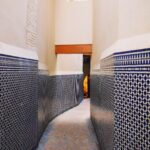
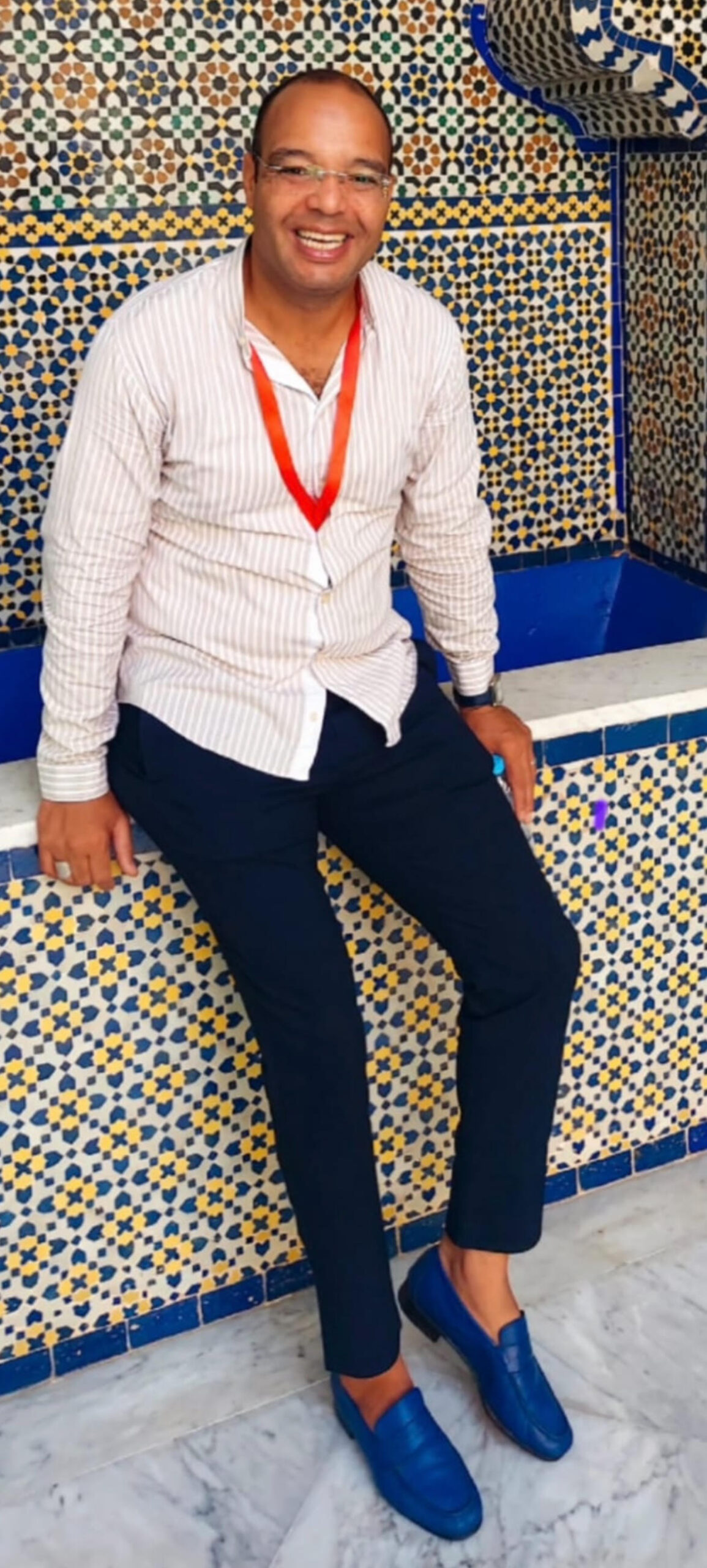
- Zellij (Mosaic Tiles): Small, hand-cut tiles forming colorful geometric patterns. Zellij covers walls, fountains, and floors, creating harmony and rhythm.
- Stucco & Carved Plaster: White or colored plaster is delicately carved with arabesques, verses, and floral motifs.
- Cedar Woodwork: Ceilings, doors, and mashrabiya (wooden screens) showcase fine hand-carving, often painted in vivid colors.
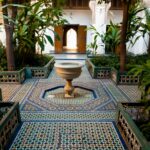
- Arches & Courtyards: Riads (traditional houses) are built around inner courtyards, offering light, air, and privacy. This design keeps homes cool in summer and intimate for families.
- Majestic Gates: City entrances such as Bab Boujloud in Fez or Bab Agnaou in Marrakech reflect power and grandeur.
- Minarets & Mosques: From the famous Koutoubia Mosque in Marrakech to the Hassan II Mosque in Casablanca, minarets rise as symbols of faith and beauty.
Urban and Rural Styles
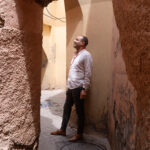
Medinas (old cities): Narrow streets, bustling souks, and hidden riads create a maze full of life and tradition.
Kasbahs & Ksour: Built with mud bricks, these fortified structures like Ait Ben Haddou show the Amazigh mastery of earth architecture.
Modern Morocco: Today, Moroccan architects mix tradition with contemporary design. Hotels, villas, and public buildings often combine glass and steel with zellij, arches, and courtyards — keeping heritage alive in modern life.
Symbolism and Philosophy
Moroccan architecture is not only about beauty; it carries meaning. The repetition of patterns reflects infinity and divine unity. Courtyards with fountains symbolize paradise. Gardens and water are always present, representing life, purity, and balance with nature.
A Living Heritage
Walking through Morocco feels like entering an open-air museum. In Fez, the medersa Bou Inania shows the finest zellij and woodwork. In Marrakech, the Bahia Palace and Saadian Tombs highlight royal splendor. In Chefchaouen, simple blue houses blend spirituality with charm. In the Sahara, kasbahs rise like sandcastles, silent witnesses of history.
Moroccan architecture is timeless — a perfect dialogue between earth and art, spirituality and daily life. It is not only admired by visitors but also inspires architects and designers worldwide.